
A Reflection on Charlie Kirk’s Campus Message
Speaking to students during a campus debate, Charlie Kirk delivers a message that immediately captures attention. He tells the audience that they are the first generation since George Washington’s time to be worse off than their parents. Not symbolically worse off, but measurably — economically, emotionally, and socially.
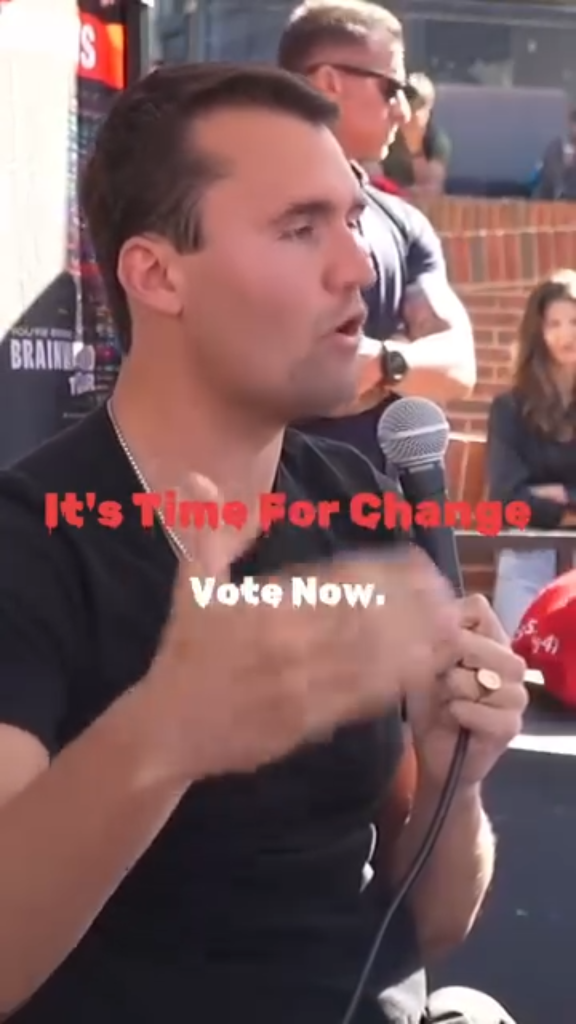
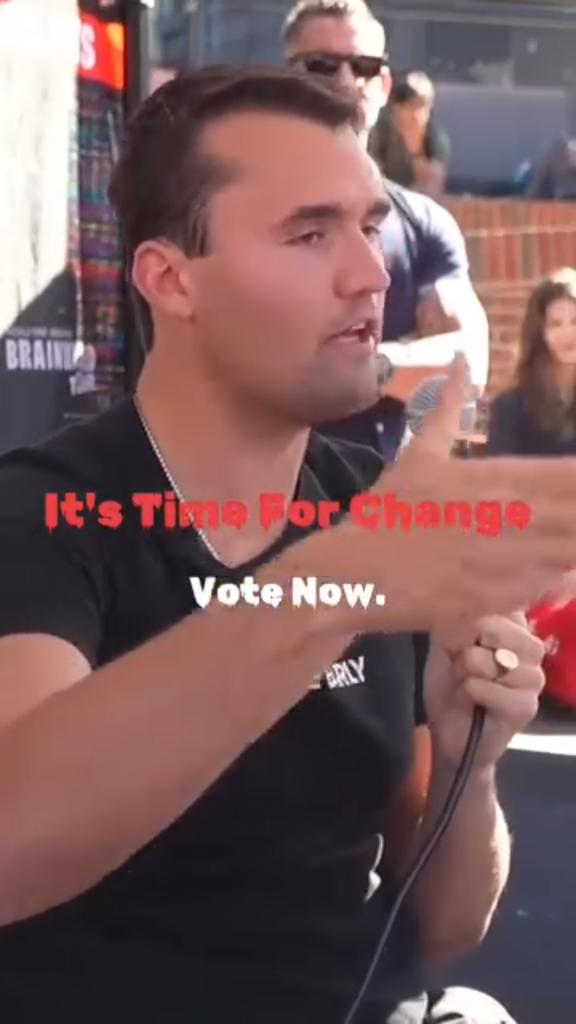
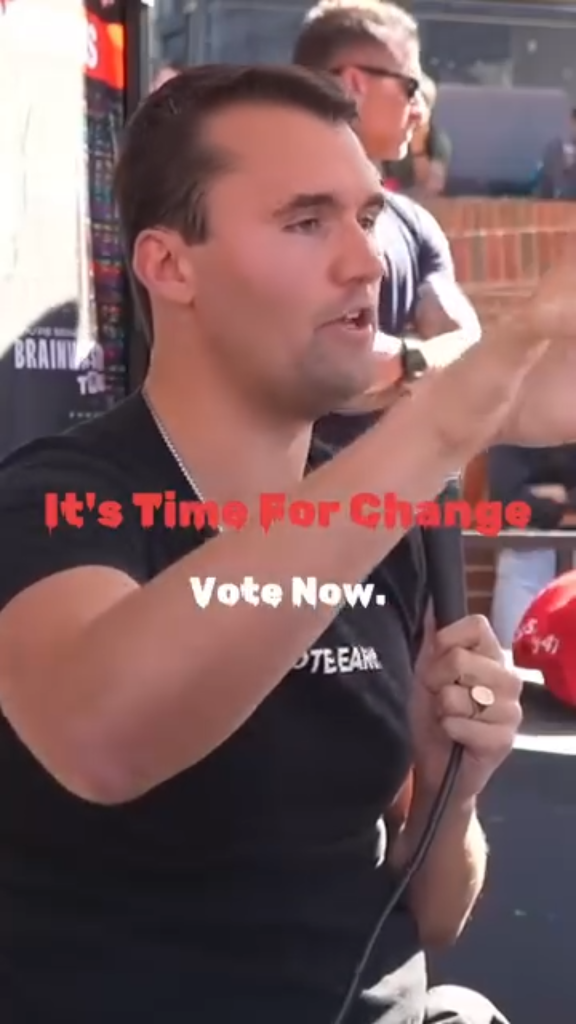
He describes a generation that is more depressed, more anxious, more medicated, more addicted, and poorer per capita than any in modern American history. These are strong words, but they resonate because they reflect lived experience. Many young people today feel that progress has slowed or reversed. The promise that life will automatically improve no longer feels certain.
Charlie Kirk does not direct blame at students themselves. Instead, he shifts the focus toward leadership. If people are getting poorer year after year, if they cannot afford stability, homes, or a sense of future, then something deeper is wrong. His message is direct: leaders are meant to make life better. When they fail to do so consistently, they should be replaced by leaders who can restore growth and opportunity.
What stands out in this message is not anger, but urgency. It is not a speech about ideology, but about outcomes. A society that leaves its next generation worse off is not simply experiencing a temporary problem — it is signaling a structural failure. Ignoring that signal only deepens frustration and disconnection.
From a Shades of Romeo perspective, this message goes beyond economics or politics. Depression, anxiety, and hopelessness are not just statistics; they are internal states. A generation struggling on the inside will inevitably struggle to build a healthy future on the outside.
Responsibility, then, exists on multiple levels. Leadership matters, but so does awareness. Change begins when people recognize their condition honestly, without denial or blame-shifting. It continues when individuals and communities choose action instead of resignation.
This is where simple human gestures regain meaning. Offering a flower freely, listening without judgment, choosing connection over isolation — these acts may seem small, but they counter the very disconnection being described. 🌸
If a generation feels left behind, the answer cannot be silence. It must be leadership that restores opportunity, and human action that restores dignity. Only then can progress feel real again — not promised, but lived.